OUR OPERATION / MUSSAFFAH, ABU DHABI
The space behind your supply.
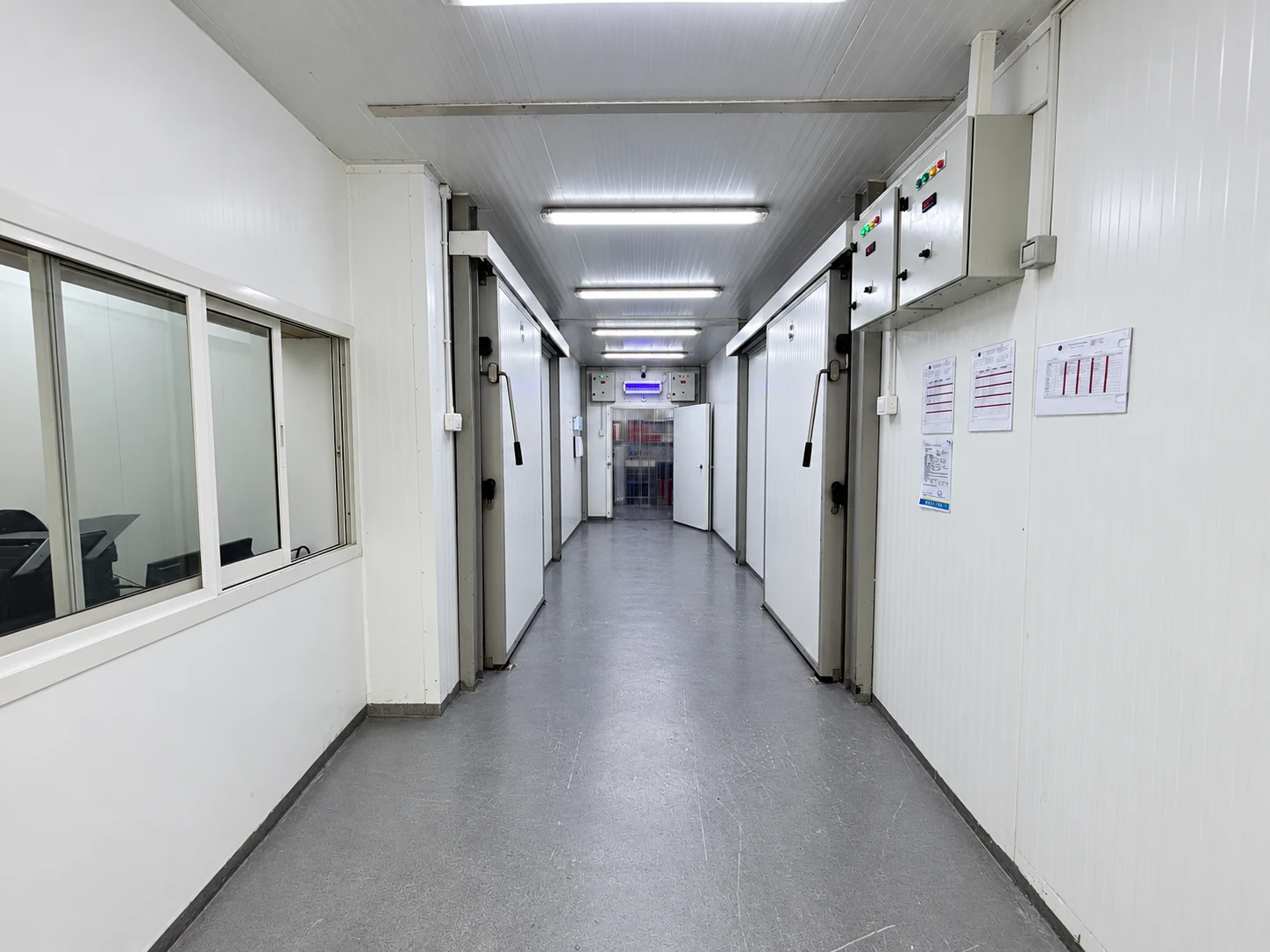
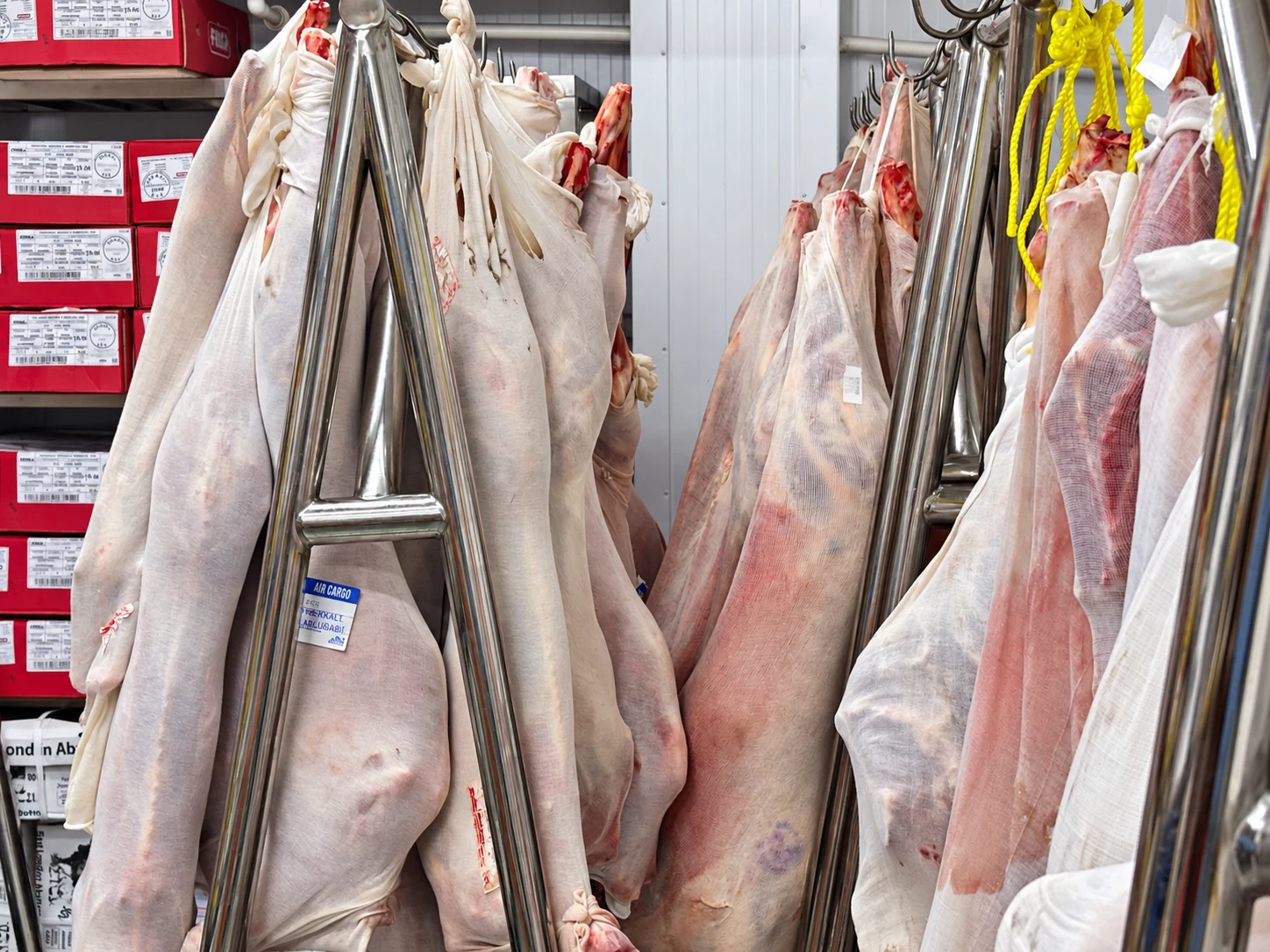
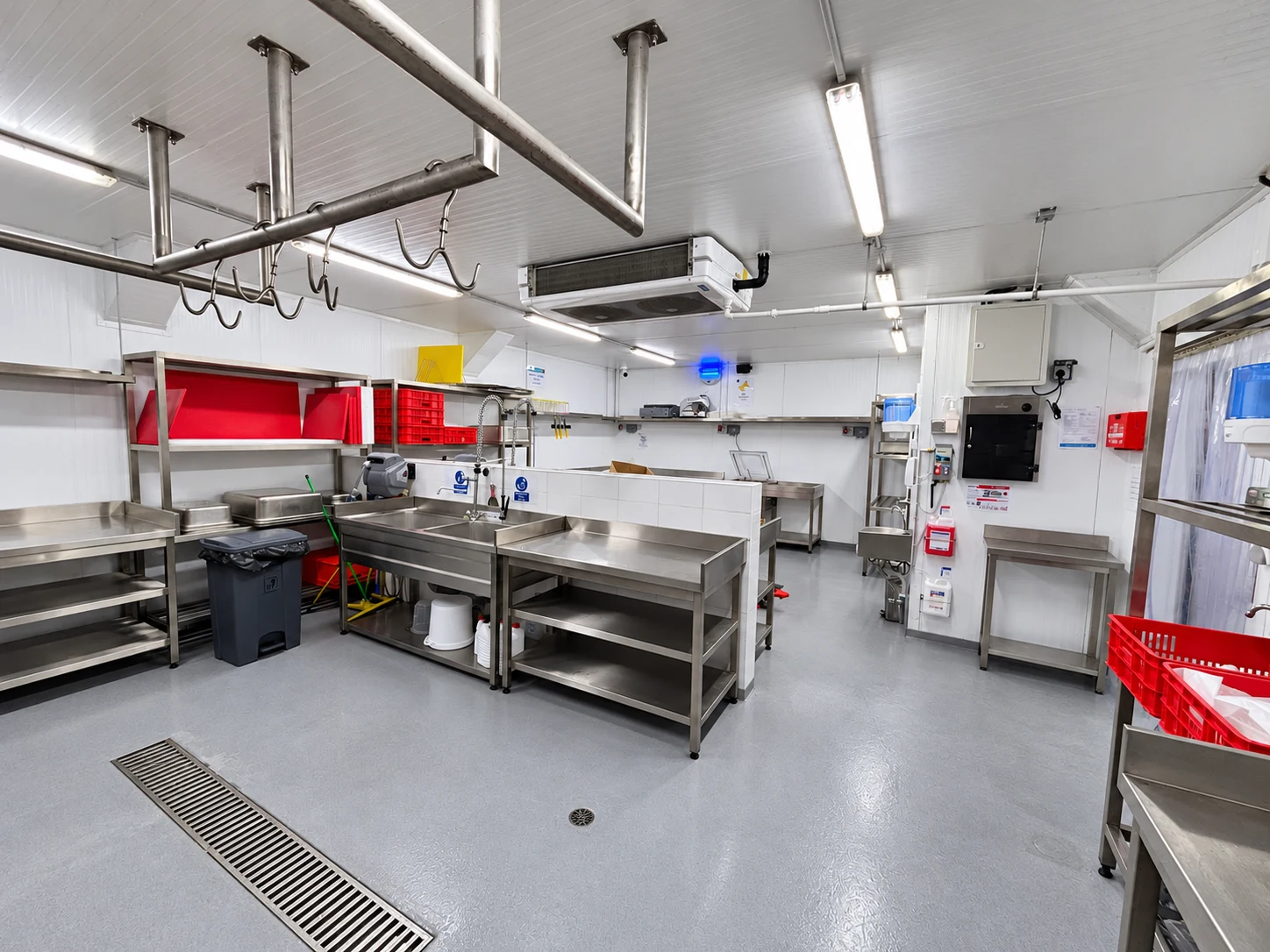
Three warehouses. Space for chilled and frozen stock. Dedicated areas for cutting, preparation and packing. A closer look at the operation behind every supply conversation.
Explore our facilities20+Years of experience
200+Customers
3Warehouses
20+Delivery trucks
01 / Our range
Fresh thinking. Frozen in quality.
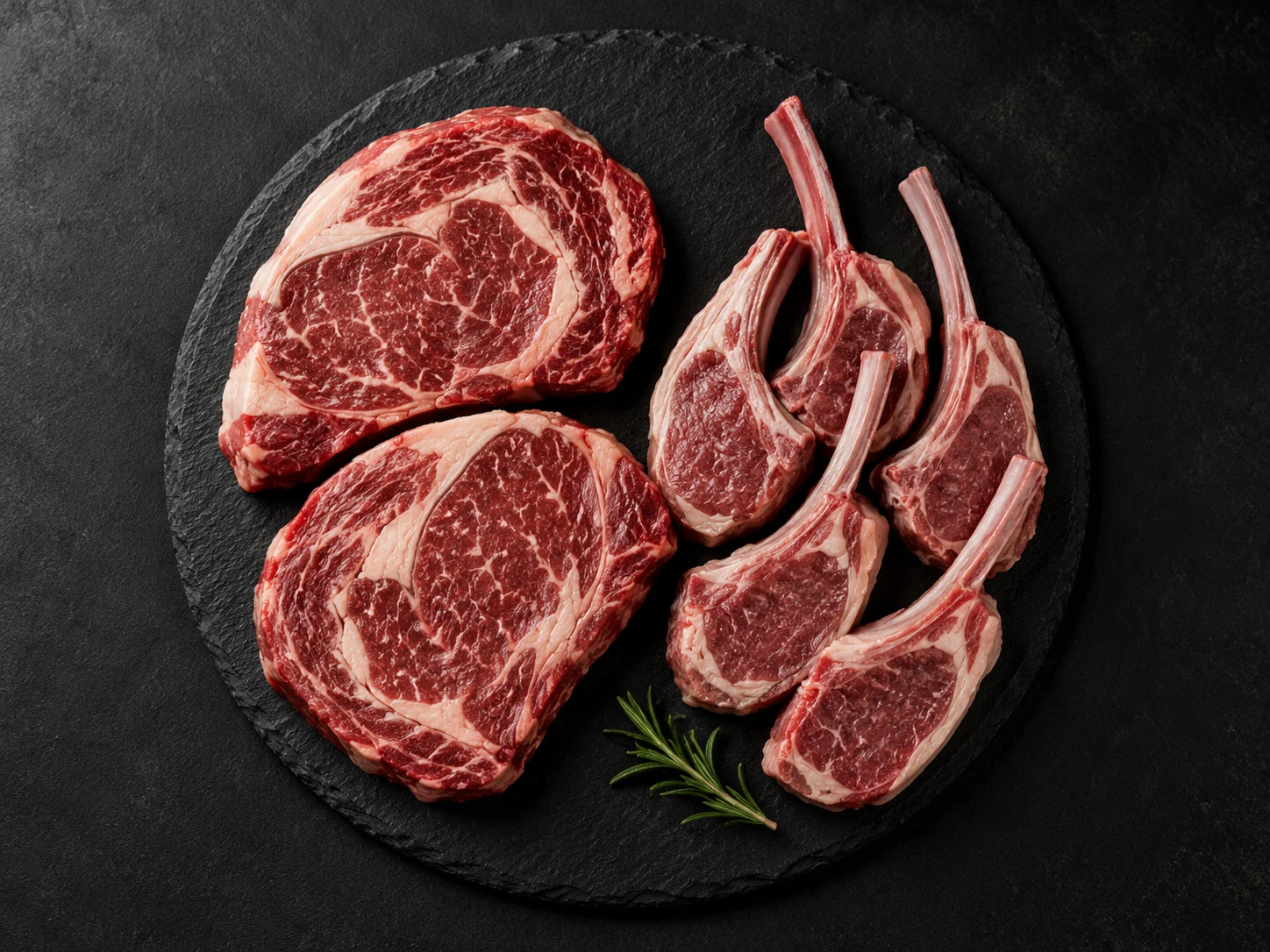
Fresh & frozen meat. Fresh & frozen poultry. Frozen seafood. Frozen vegetables.
Fresh & frozen meat
Request a quote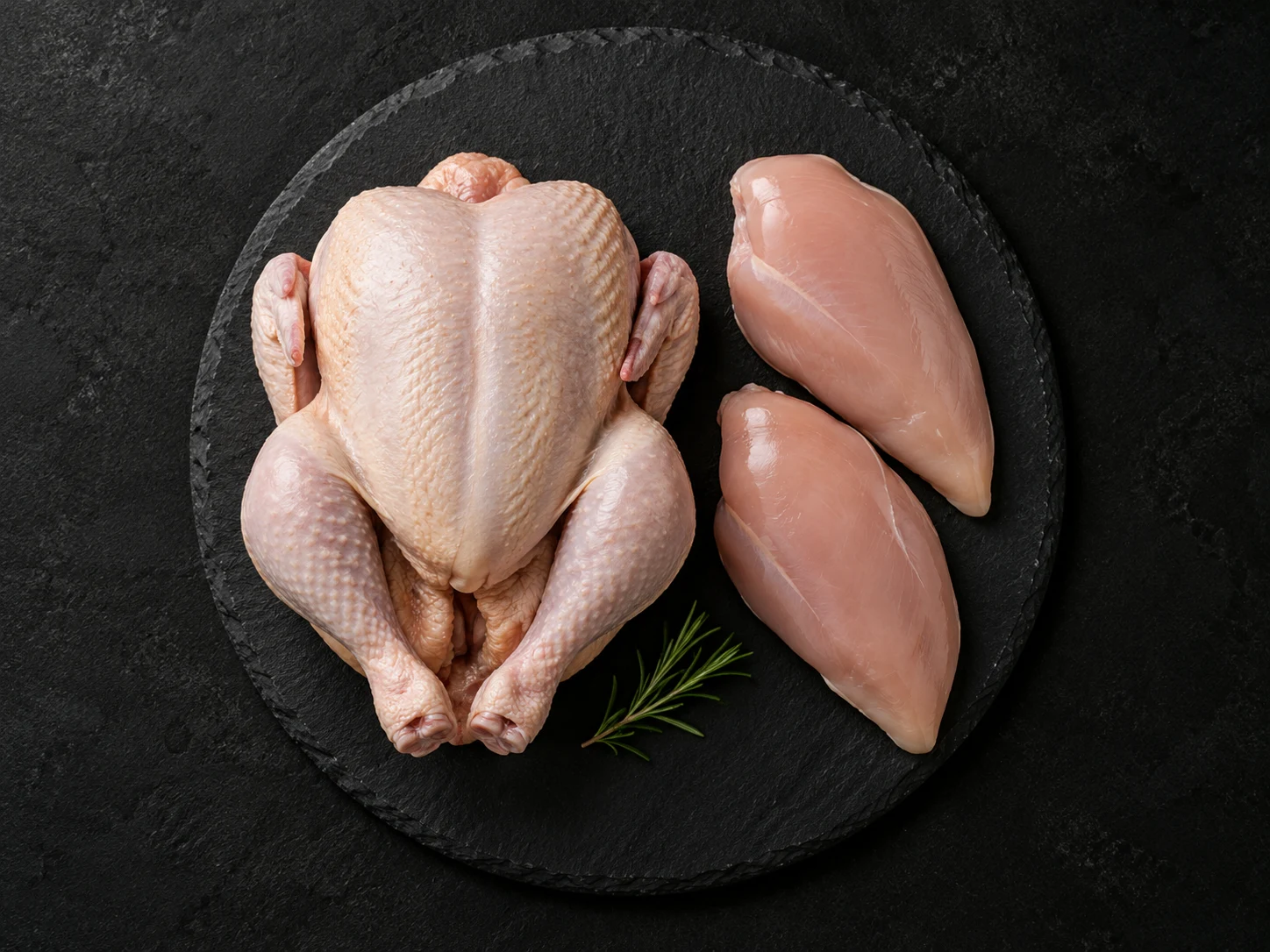
Fresh & frozen poultry
Request a quote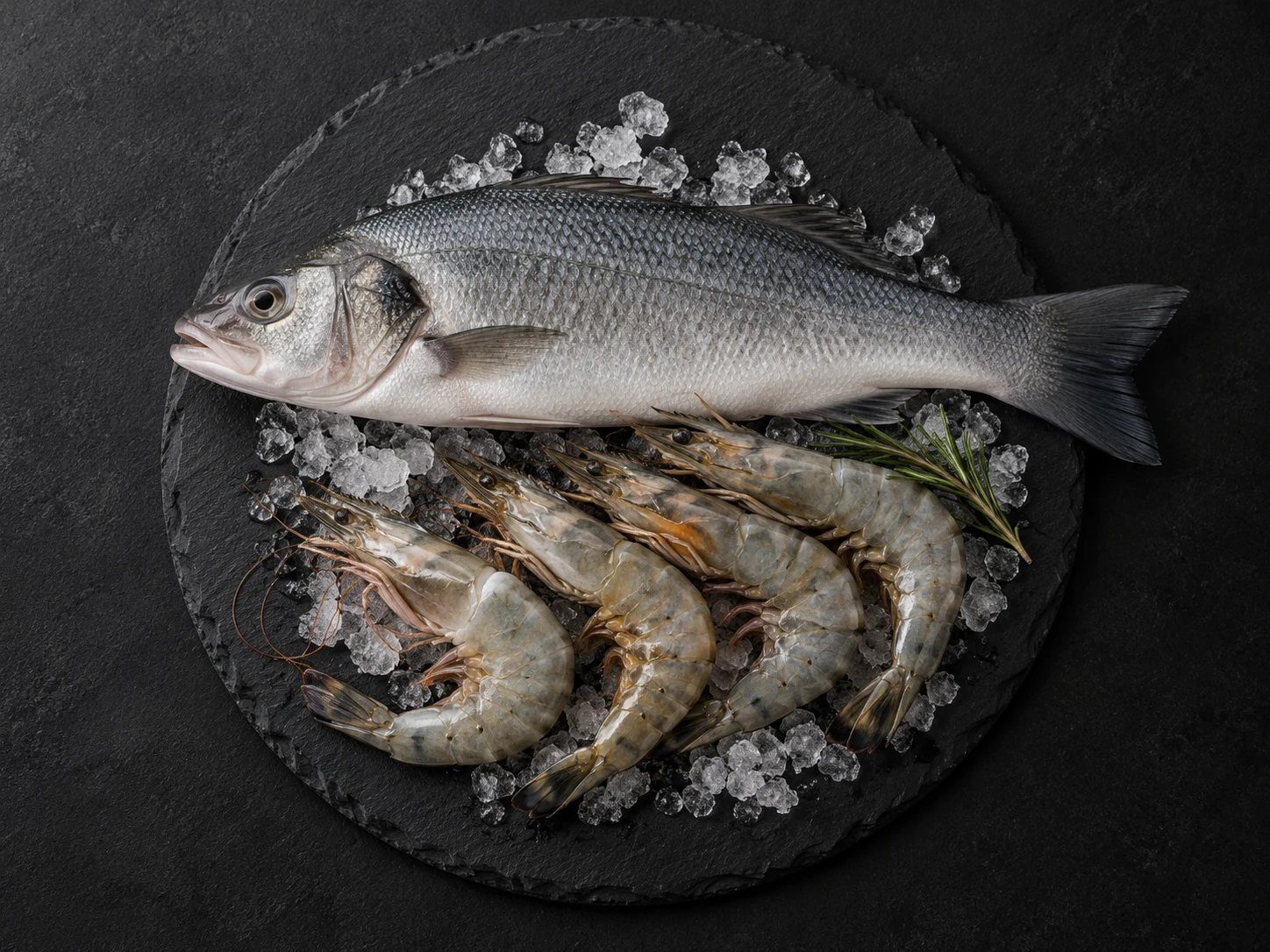
Frozen seafood
Request a quote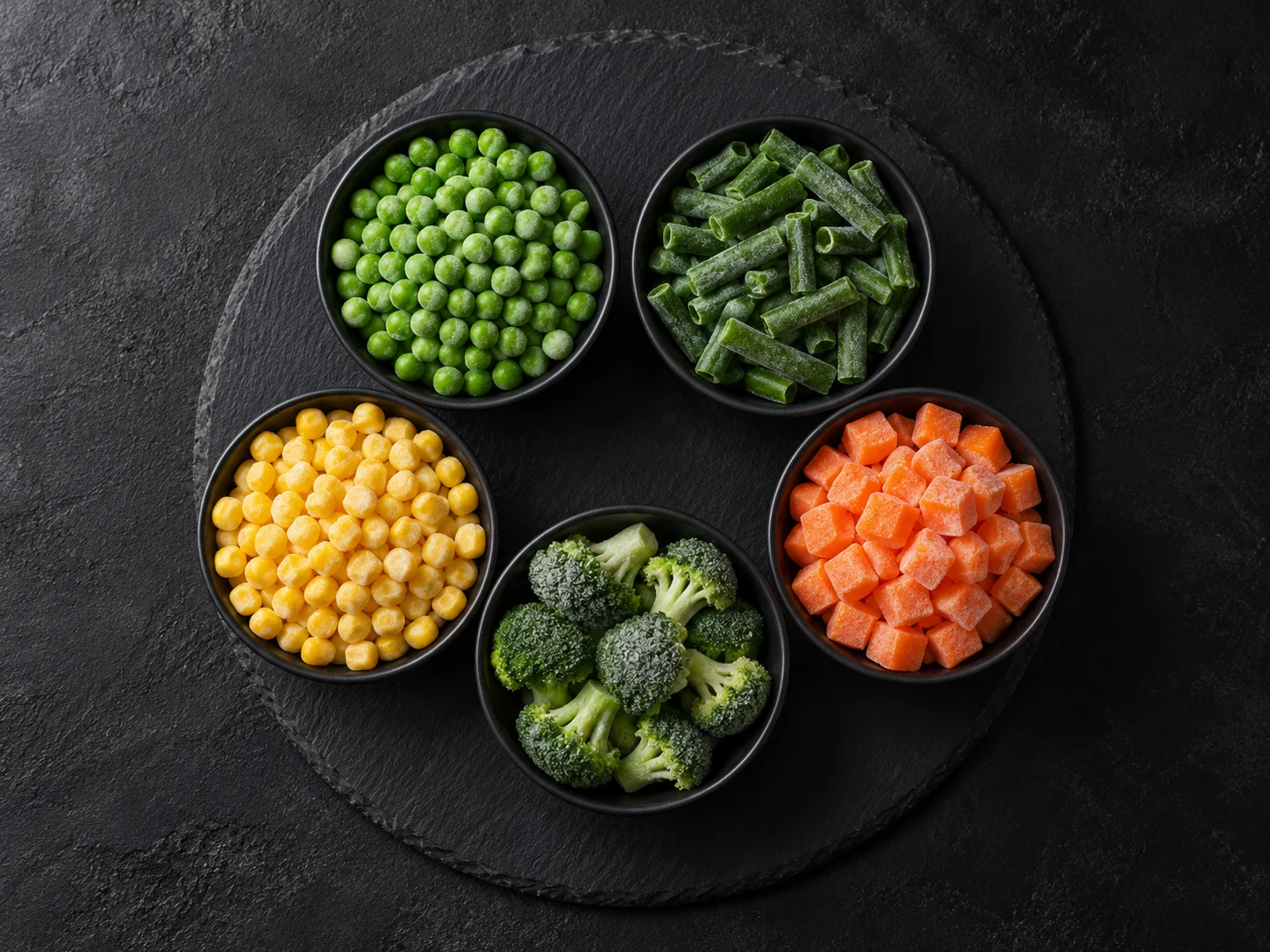
Frozen vegetables
Request a quoteGLOBAL REACH. THE MEAT SHOP.
Our global sources.
02 / The company
A business built around supply.
The Meat Shop supplies fresh and frozen meat, fresh and frozen poultry, frozen seafood and frozen vegetables. Our head office is in Mussaffah, Abu Dhabi.
Tell us what your business needs: product specifications, quantities and delivery requirements. We will work through the available options with you.
Get to know the companyOUR DIRECTION
A clear purpose. A shared future.
Our vision
To be the food supply partner businesses trust to grow with, bringing quality, choice and dependable service to every kitchen we serve.
Our mission
To connect our customers with carefully sourced fresh and frozen food, supported by responsive people, practical supply planning and lasting business relationships.
03 / Distribution
From The Meat Shop. For your business.
Three warehouses. A fleet of 20+ delivery trucks. A team that keeps your supply moving. Tell us your requirements and we will plan the products, quantities and delivery arrangements together.
Discuss a supply planYour supply partner3Warehouses20+Delivery trucks
Restaurants
Catering & central kitchens
Retail & food traders
04 / Working together
Clear requirements. Better planning.
Define the specification
Tell us the product, cut, format, origin preferences and quantities you need.
Confirm your quotation
Review available products, pack sizes, pricing and supply terms with the team.
Plan the supply
Agree the order details and delivery arrangements before confirming your supply.
PREPARATION & PACKING
From the cut. To the pack.
A closer look at our cutting, mincing and vacuum-packing equipment. Discuss the cut and packing format your business needs with our team.
Visit our Restaurant Now
Shop now05 / Business enquiries
Your next supply conversation starts here.
Share a few details about your business and the products you need.
themeatshopuae@gmail.comTalk on WhatsApp